
The Dumpster Size Mistake That Doubles Your Costs
Renting a dumpster should make a renovation, cleanout, or construction project easier. Yet choosing a container based only on its advertised price can create an avoidable expense. A dumpster that is too small may require another pickup or an additional rental, while one that is unnecessarily large may strain a budget. The better approach is to consider what will be thrown away, how much space it occupies, and how long the work will take.
Before contacting a dumpster rental company, take a few minutes to list the materials involved and identify any uncertainty about the project. A kitchen remodel generates different debris than a garage cleanout. Understanding those differences helps customers ask informed questions, compare estimates, and choose a container that fits the work rather than guessing.
Understanding How Dumpster Sizes Affect Projects
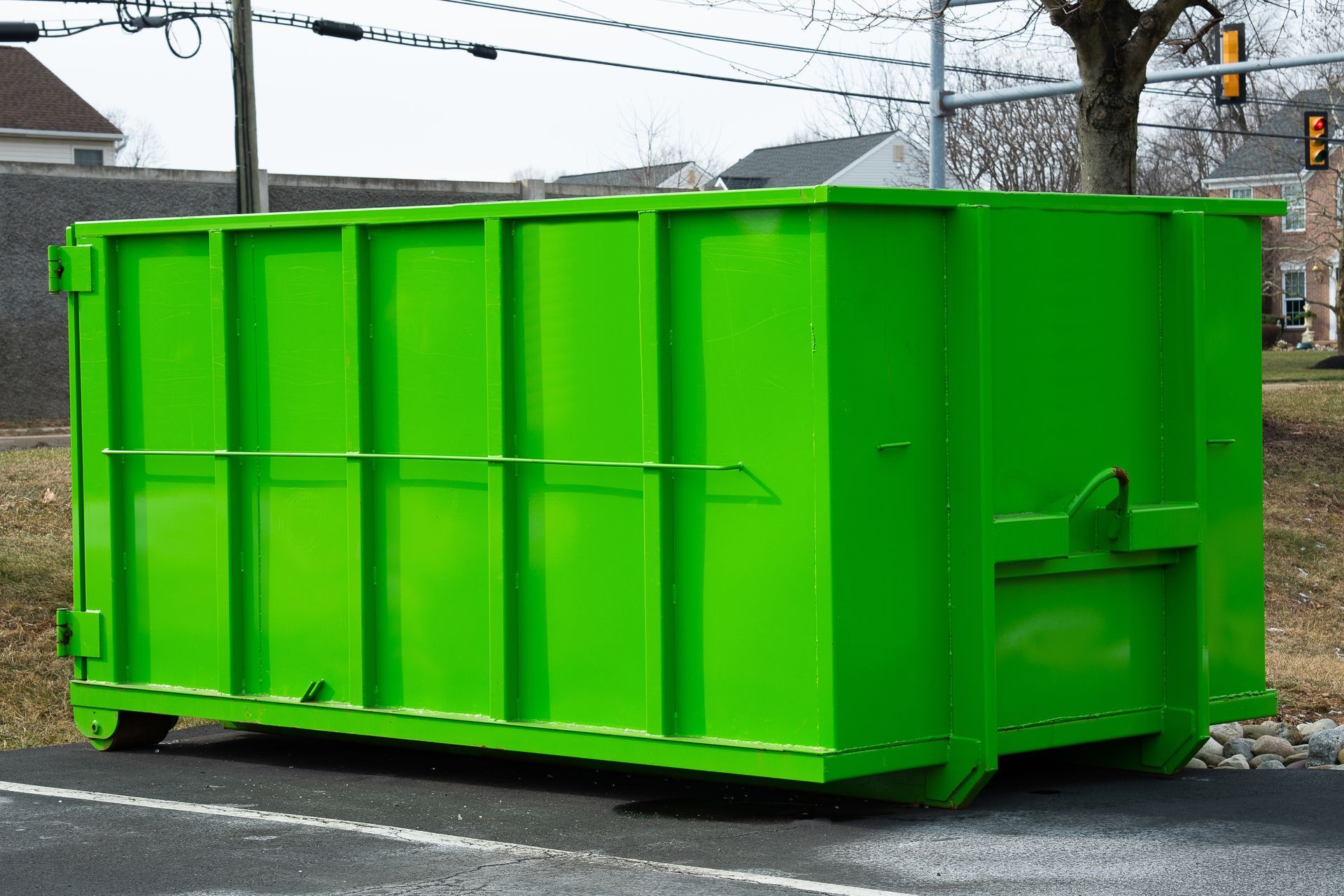
Dumpster capacity is usually expressed in cubic yards, a measurement of how much space the container holds. According to HomeAdvisor, most companies offer competitive pricing and dumpsters in sizes ranging from 10 to 40 yards. That range gives customers options, although individual providers may offer different dimensions, rental terms, and weight allowances. A larger number describes greater volume, not unlimited permission to load heavy materials.
A smaller container may suit a limited household cleanout, while a larger one may be appropriate for a substantial renovation with bulky debris. Neither choice should be made from the project label alone. Removing cabinets from a kitchen, for example, produces a different mix of materials than replacing a roof or tearing out a concrete walkway. The space occupied by cabinets, wood, and packaging can be significant.
A reliable dumpster rental company can explain available container dimensions and help customers compare them with their expected waste. Providing a detailed description makes that conversation more useful than simply asking for the cheapest size.
Estimating Debris Volume and Weight
The most common sizing mistake is estimating debris by looking at the room being renovated instead of the material being removed. Start by identifying the major items: furniture, drywall, flooring, lumber, yard debris, or other permitted waste. Think about whether pieces can be broken down safely and how much empty space irregularly shaped objects will leave inside the container. Photographs can help communicate the expected load.
Weight matters just as much as volume. Concrete, dirt, bricks, and other dense materials can reach a container's weight limit before it appears full. A pile of lightweight but bulky household items may occupy most of the available space without approaching that limit. Customers should never assume that everything physically fitting inside a dumpster is acceptable for transport.
When speaking with a dumpster rental company, describe both the type and approximate quantity of debris. Ask whether particular materials require a separate container, have special restrictions, or carry additional charges. This preparation can prevent a costly mismatch between the selected size and the actual load.
Recognizing Costs of Undersized Containers
A smaller dumpster can look economical because its initial quote may be lower. The problem appears when the container fills before the project is finished. Depending on the rental agreement, the customer may need another delivery, an exchange, or an additional haul. These charges can interrupt work and undermine the initial savings.
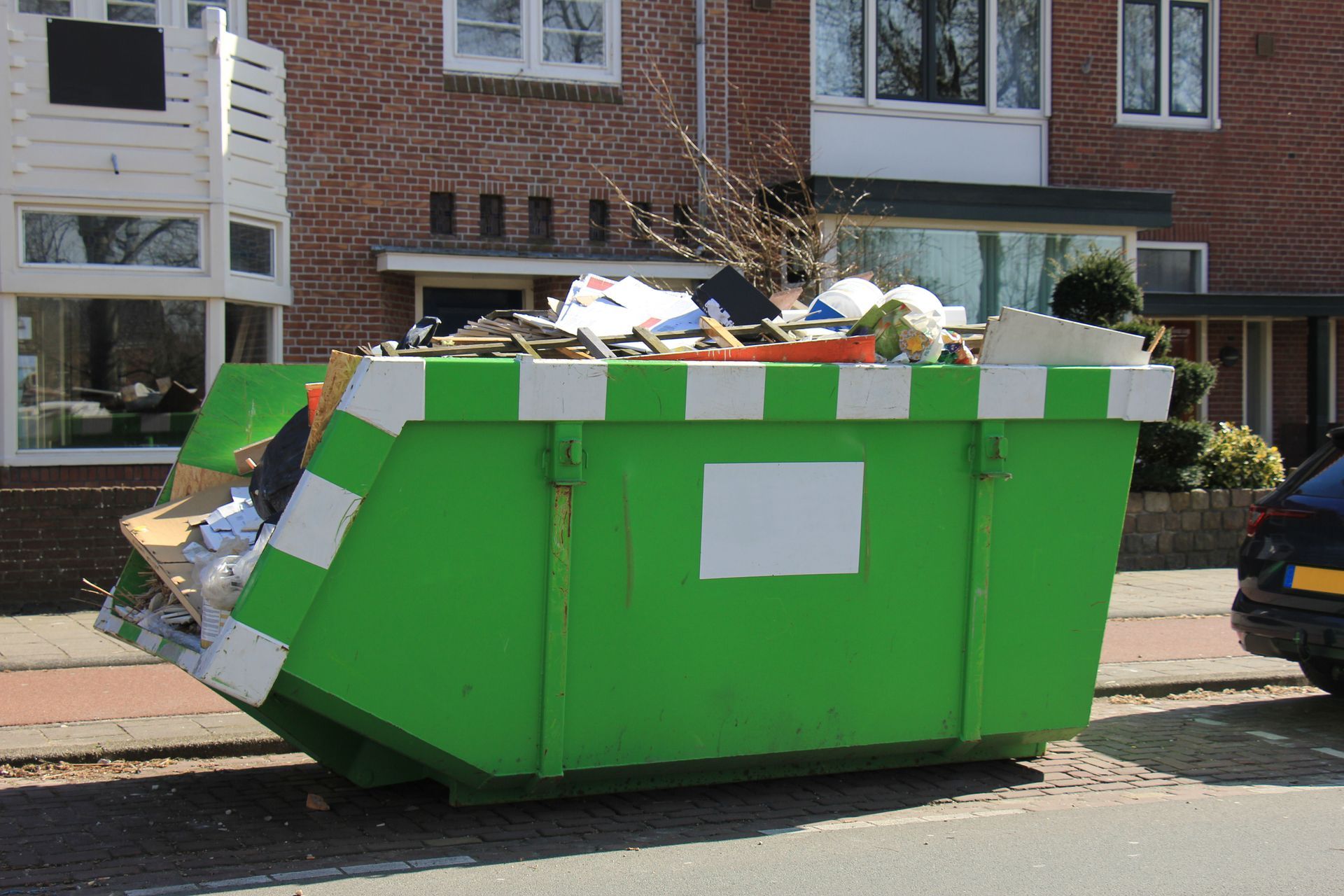
Overfilling creates a different concern. Debris extending above the designated fill line may prevent safe pickup, and exceeding an agreed weight allowance may trigger overage fees. Trying to force more waste into a full container is not a practical substitute for choosing sufficient capacity. Providers set loading rules for transportation and handling, and those rules should be followed.
It is worth asking what happens if the project generates more waste than expected. Confirm whether an exchange is available, how it is scheduled, and what it would cost. A slightly larger container could be sensible when additional debris is likely, but compare it against the actual rental terms. The dumpster rental company can explain the options before any upgrade is needed.
Considering Drawbacks of Oversized Containers
Choosing the largest available dumpster is not necessarily the safest financial decision. If most of its capacity goes unused, the customer may be paying for space that was never needed. A larger container may also require more room for delivery and placement, which matters on narrow driveways, crowded construction sites, or properties with limited access.
Before selecting a size, consider where the dumpster will sit and whether a truck can reach it safely. Keep entrances, sidewalks, and other necessary access routes clear. Placement on a street or public right-of-way may require permission from a local authority; requirements vary by location. Property owners and renters should also check any relevant building or association rules.
Instead of assuming bigger is better, compare container dimensions, permitted materials, and total estimated charges. The goal is enough usable space for the planned waste without adding avoidable expense or creating placement problems.
Coordinating Delivery, Pickup, and Timing
Even a correctly sized container can become inconvenient if its rental period does not match the work schedule. A cleanout completed over a weekend may need a different arrangement than a remodel with several contractors generating debris in stages. Discuss the expected start date, when waste will accumulate, and when the area must be cleared.
Ask a dumpster rental company how delivery and pickup are arranged, what notice is required for changes, and whether extra rental days cost more. If the work may uncover hidden damage or additional materials, allow room in the plan for that possibility. Clear communication is especially important when a container is located where it could interfere with parking or access.
Confirm scheduling policies rather than assuming immediate exchanges or extensions will be available. Good timing reduces the chance of paying for unnecessary days or waiting for disposal space.
Reviewing the Complete Rental Estimate
When comparing quotes, look beyond the advertised base rate. Ask what the price covers, including delivery, pickup, the rental period, disposal, and any included weight allowance. Find out whether extra weight, prohibited materials, additional trips, or extended rental days could change the final bill. A written explanation is easier to review than a vague promise that everything is included.
Be clear about the waste stream as well. Some providers restrict tires, batteries, certain electronics, hazardous chemicals, and other items that require specialized disposal. Rules differ by business and disposal facility, so obtain confirmation before loading. Keep the provider's prohibited-items list nearby so everyone working can check it. Following the agreed requirements protects the project budget and helps avoid rejected loads or unexpected handling problems.
Before booking with a
dumpster rental company, share any questions about access, debris restrictions, and the project timeline. Comparing estimates on the same basis will reveal more than comparing prices for different container sizes or service terms.
Choosing the Right Dumpster Size
The right dumpster is not necessarily the smallest or largest option. It is the one that reasonably accommodates the expected debris while meeting weight limits, site restrictions, and scheduling needs. An accurate inventory, a realistic timeline, and a clear rental estimate make that decision easier. If the project changes, contact the provider before the container is overloaded or the rental period expires.
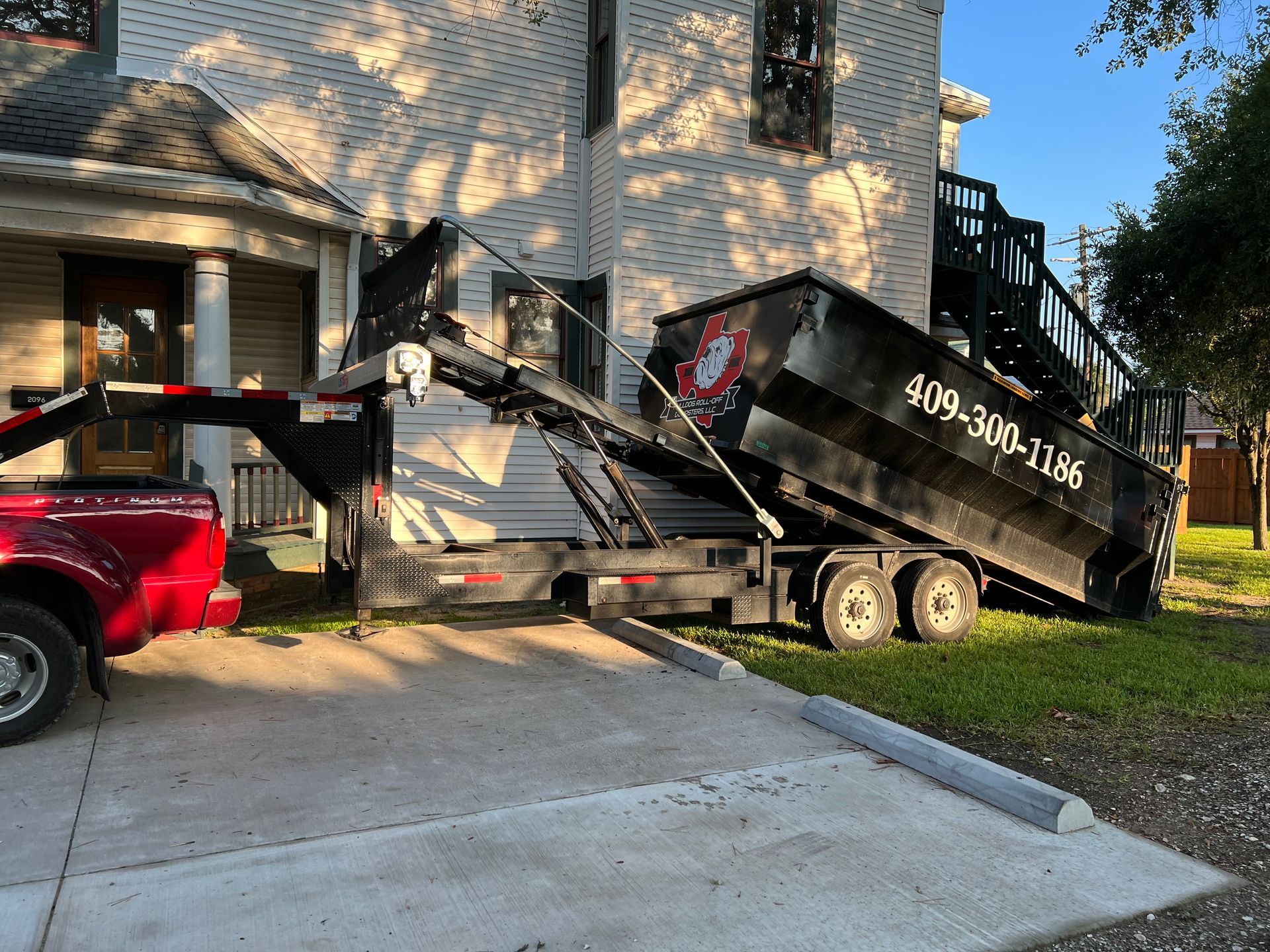
Bulldog Roll-Off Dumpsters, LLC is a place to start when comparing dumpster options for an upcoming project. Contact the company with a description of the materials, estimated volume, and desired rental dates to discuss available sizes and terms. Choosing carefully at the beginning can help prevent unnecessary hauling costs and keep the cleanup moving.


Share On: