
Local Dumpster Rental Tips for Efficient Waste Disposal
Efficient waste disposal is essential for keeping properties clean, maintaining safe working conditions, and reducing landfill waste. Whether you are cleaning out a home, remodeling a kitchen, or managing a construction site, renting a dumpster can simplify the process. A local dumpster rental provides a convenient place to collect debris, helping you maintain an organized workspace and avoid repeated trips to the landfill. Proper planning also helps you select the right container, control expenses, and dispose of materials responsibly.
Assessing Your Waste Disposal Needs
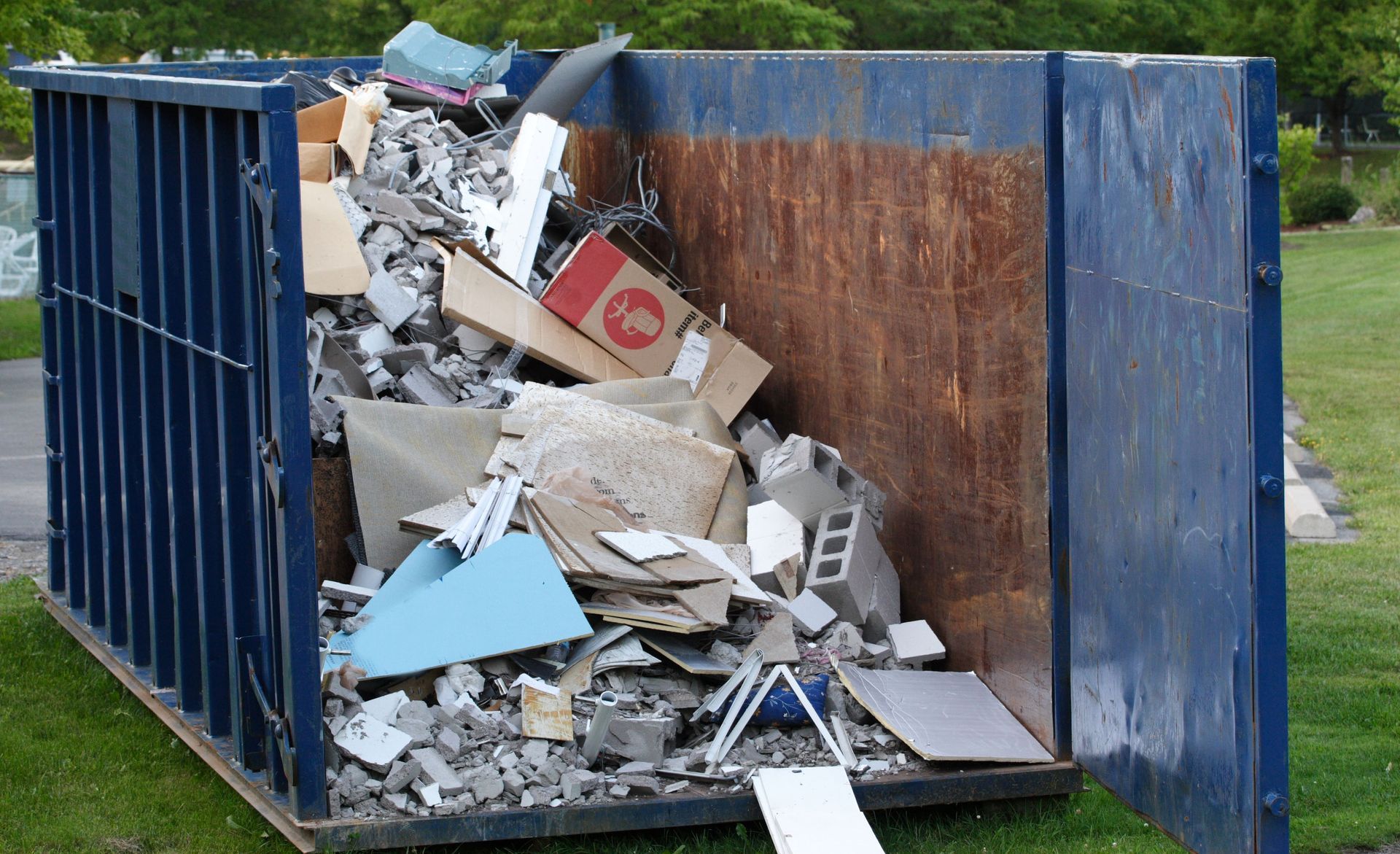
Before arranging a local dumpster rental, evaluate the amount and type of waste your project will generate. A garage cleanout may produce household clutter, while a renovation could involve drywall, flooring, lumber, and other bulky materials. Estimating the volume ahead of time helps you select an appropriate container and avoid unnecessary expenses.
Identifying Waste Types and Restrictions
Not every material can go into the same dumpster. Household junk, furniture, construction debris, and yard waste may be accepted, depending on the rental agreement. Hazardous chemicals, batteries, paint, and some electronics may require specialized disposal. Ask your provider about restrictions before loading the container to prevent delays and ensure materials are handled appropriately.
Estimating Project Duration
Consider how long you will need the dumpster. A weekend cleanup may require a short rental period, while a remodeling project could generate debris over several weeks. Account for delivery, loading, and pickup when creating your schedule. If the project takes longer than expected, ask about extensions and any additional charges.
Selecting the Right Dumpster Size
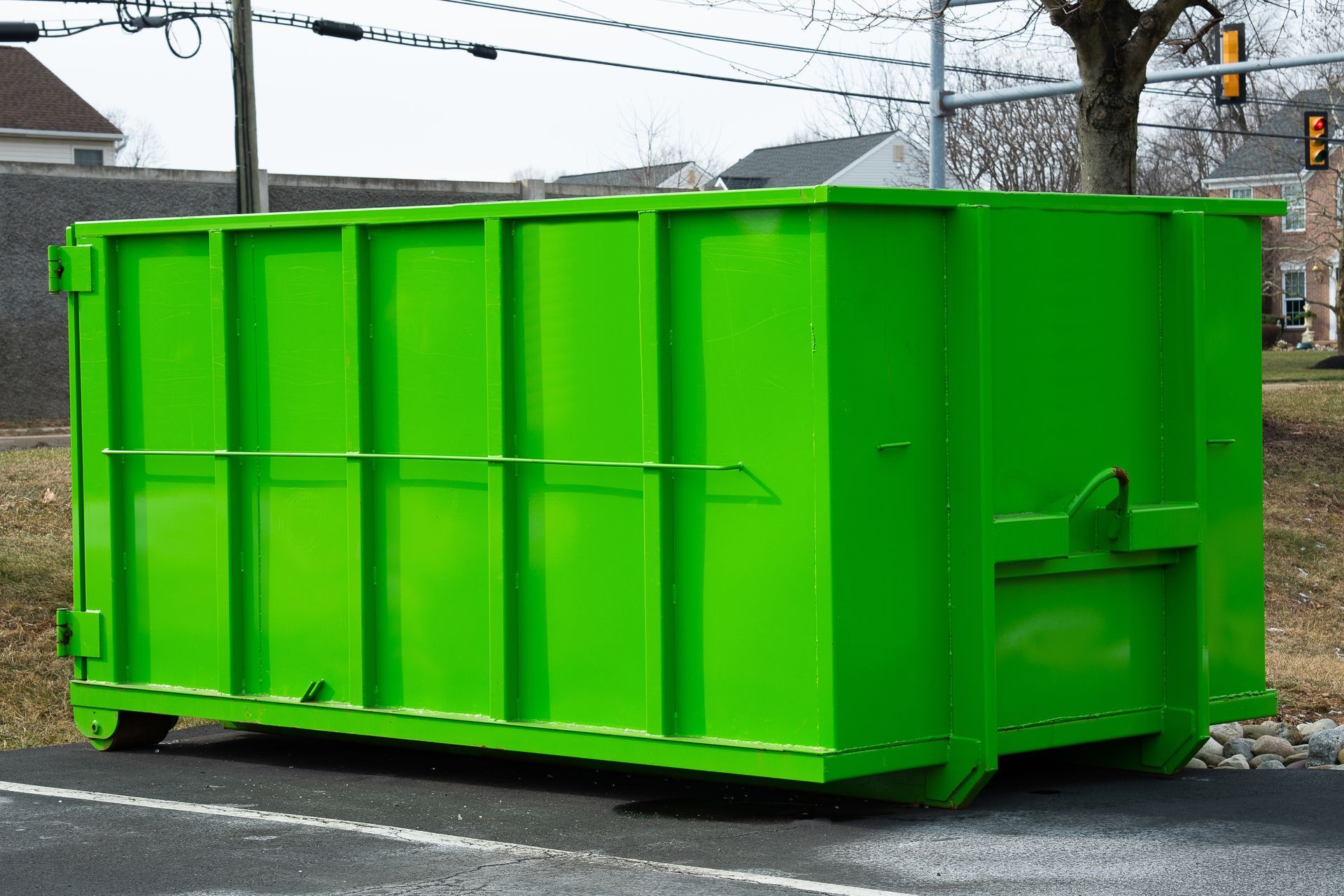
Choosing an appropriate container is essential when arranging a local dumpster rental. Dumpsters commonly range from 10 to 40 cubic yards, although availability varies by provider. Smaller containers often suit household cleanouts, while larger options accommodate extensive renovations and construction projects. The right size depends on the amount of debris, its weight, and the available placement area.
Matching Capacity to Project Scope
According to GlobeNewsWire, dumpster rental costs vary by size (10-40 cubic yards), location, and waste type. Compare options based on your project's specific needs rather than choosing solely by advertised price. A container that is too small may require additional service, while an oversized option could cost more than necessary. Describe your project to the provider and ask for a suitable recommendation.
Preventing Overfilling and Weight Issues
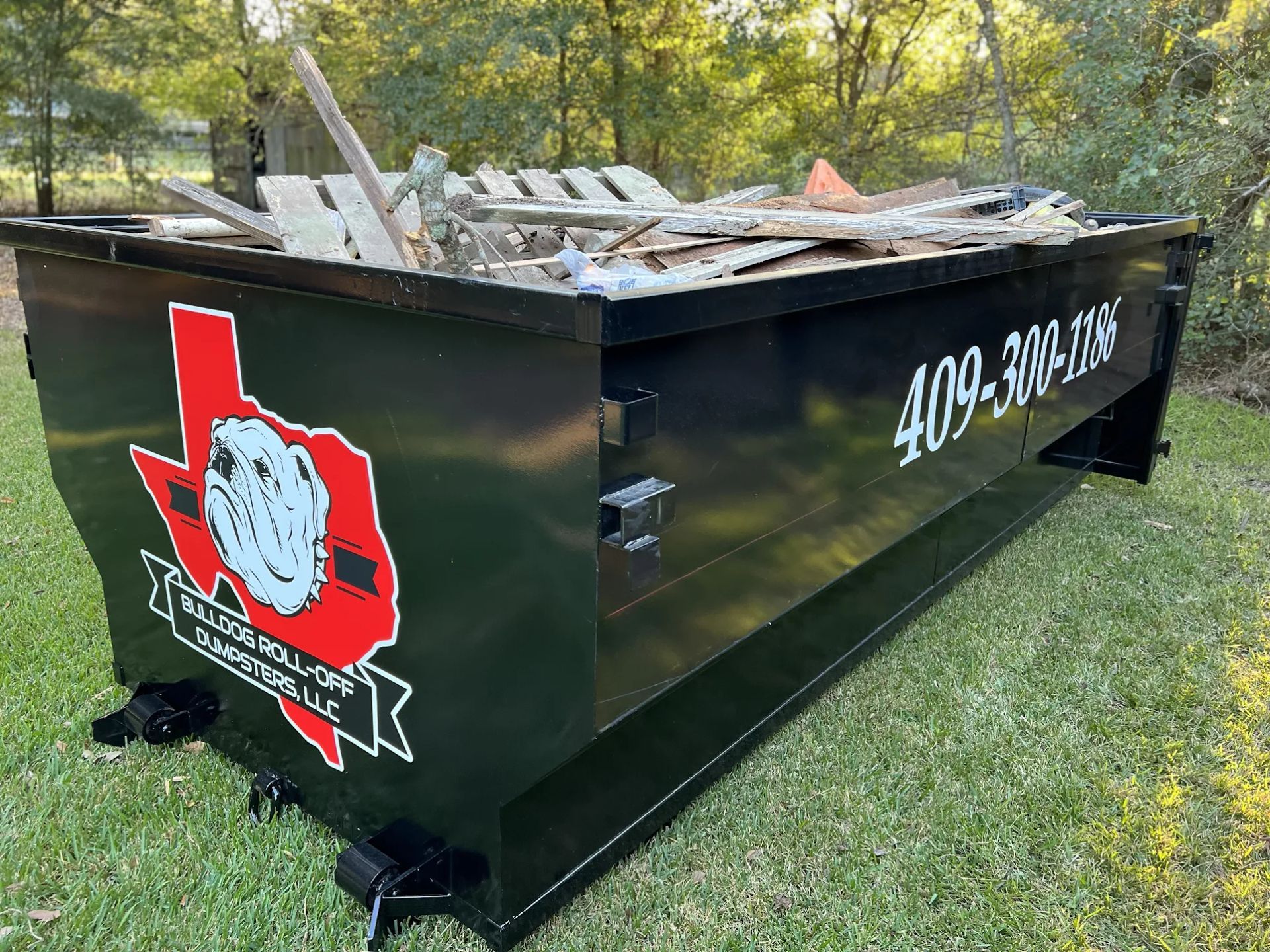
Heavy materials, including concrete, soil, and roofing shingles, can reach weight limits before a dumpster is full. Exceeding weight restrictions or filling above the designated line may result in extra charges or prevent safe transportation. Distribute materials evenly, follow loading instructions, and keep debris below the fill line.
Choosing a Reliable Rental Provider
Finding a dependable local dumpster rental provider involves more than comparing prices. Look for clear communication, convenient delivery, suitable container options, and reliable pickup arrangements. Read customer reviews and ask contractors or neighbors for recommendations. Choosing a provider with experience handling projects similar to yours can make the disposal process easier.
Comparing Rental Terms and Services
Request a detailed quote that explains delivery and pickup fees, rental duration, weight allowances, and disposal charges. Ask about extension fees and additional pickups, too. Comparing the complete cost helps you evaluate providers fairly and avoid unexpected expenses. Confirming these details before booking also makes it easier to plan your budget.
Confirming Delivery and Pickup Reliability
Discuss delivery and pickup dates before finalizing the agreement. Delays can interrupt construction work or leave debris occupying valuable space. Tell the provider about access restrictions, gate requirements, and limited delivery hours. Clear communication helps prevent scheduling problems and keeps your project moving.
Following Local Disposal Rules
Dumpster placement and waste disposal requirements vary by municipality and property type. You may need a permit to place a container on a public street or sidewalk. Check local regulations before scheduling delivery, and ask your provider about common requirements. Following the rules helps prevent fines and unnecessary project delays.
Preparing a Suitable Placement Area
Select a stable, accessible location with enough room for the delivery vehicle to maneuver. Clear away parked vehicles and check for low branches, overhead wires, and other obstacles. If you are concerned about driveway damage, ask whether protective boards or other surface preparation is recommended. Proper placement makes loading easier and helps protect your property.
Handling Restricted Materials Responsibly
Items such as chemicals, fluorescent bulbs, batteries, and electronic waste may require designated collection facilities. Identify these materials before beginning your project, and research local recycling or hazardous waste programs. Following disposal requirements reduces environmental risks and prevents prohibited items from entering the dumpster.
Loading the Dumpster Safely and Efficiently
Organized loading helps maximize available space and maintain a safe work area. Break down cardboard boxes, disassemble furniture when practical, and arrange bulky materials carefully. Fill smaller gaps with compatible debris, but avoid overloading the container. A deliberate loading strategy makes your local dumpster rental more effective and may prevent the need for additional capacity.
Distributing Materials Evenly
Spread heavy items across the container instead of concentrating their weight in one area. Keep lighter materials on top without exceeding the fill line. Wear appropriate protective equipment when handling sharp metal, broken glass, or lumber with exposed nails. Avoid climbing into the dumpster to rearrange debris, and seek assistance with heavy or awkward objects.
Separating Recyclable Materials
Metal, cardboard, clean wood, and other materials may qualify for recycling, depending on local facilities and provider policies. Separate recyclable items when practical, and confirm whether your rental agreement allows mixed loads. Recycling suitable materials can conserve resources and reduce the amount of waste sent to landfills.
Reducing Rental Costs and Avoiding Extra Fees
Careful planning can make a local dumpster rental more affordable. Estimate your debris volume, select the appropriate container, and compare quotes. Consider delivery, pickup, rental duration, weight limits, and disposal fees when calculating the total cost. A low advertised rate may not represent the least expensive option once additional charges are included.
Planning the Rental Schedule
Coordinate delivery with the start of your project so the dumpster does not sit unused for unnecessary days. Organize cleanup activities beforehand and make sure everyone understands how to load materials properly. Avoiding delays and unnecessary extensions can help you stay within the agreed rental period.
Avoiding Preventable Charges
Review the rental agreement for restrictions, weight overages, late fees, and additional pickup costs. Keep the load below the designated fill line and follow instructions for heavy materials. Understanding these requirements in advance helps you manage your budget and avoid problems during collection.
Improving Your Waste Management Plan
A successful disposal project depends on preparation, safe handling, and communication. Establish a collection area, identify restricted materials, and explain disposal rules to everyone participating in the cleanup. Sorting unwanted belongings before delivery can also help you identify items suitable for donation or recycling.
If your plans change because of unexpected debris or a longer timeline, contact your provider promptly. Discussing changes early gives you time to explore available options and understand additional costs. Good planning keeps the property organized and makes waste removal more manageable.
Efficient waste disposal starts with understanding your project, selecting the right container, and working with a reliable provider for local dumpster rental. Following local regulations, loading materials carefully, and reviewing rental terms can help you manage debris safely while controlling expenses. Contact Bulldog Roll-Off Dumpsters, LLC to discuss your project, choose an appropriate dumpster size, and arrange a rental that meets your waste disposal needs.


Share On: