

How to Estimate Debris Volume for Your Construction Project
Estimating debris volume before a construction project begins can make waste removal much easier to plan. Renovations, demolitions, roofing jobs, additions, and site preparation can all generate large amounts of material, and the total volume is not always obvious at the start. Choosing a container that is too small may require additional swaps, while ordering one that is unnecessarily large can create avoidable expense. Careful planning helps contractors and property owners match the expected waste stream to the right disposal approach. When evaluating dumpster rentals, it is useful to consider the type of work, the materials being removed, the size of the project area, and how densely the debris will pack inside the container. A realistic estimate can help keep cleanup organized and prevent disposal needs from interrupting the project schedule.
Estimating the Scope of the Project
The first step in estimating debris volume is defining exactly what work will be completed. A small bathroom renovation will usually produce less waste than a whole-house remodel, while interior demolition can create a very different debris load than roofing or landscaping. Contractors should identify which rooms, structures, or exterior areas are involved and determine whether materials are being removed completely or only in selected sections. Creating a clear project scope makes it easier to estimate how much material will leave the site.
Square footage can provide a useful starting point, but it should not be the only factor considered. Two projects with the same floor area may generate very different amounts of debris depending on what is being removed. A room with cabinets, tile, drywall, flooring, and fixtures will produce more waste than a room receiving only cosmetic updates. Contractors should think about the physical volume of the removed materials rather than relying only on the size of the work area.
Estimating the Types of Debris
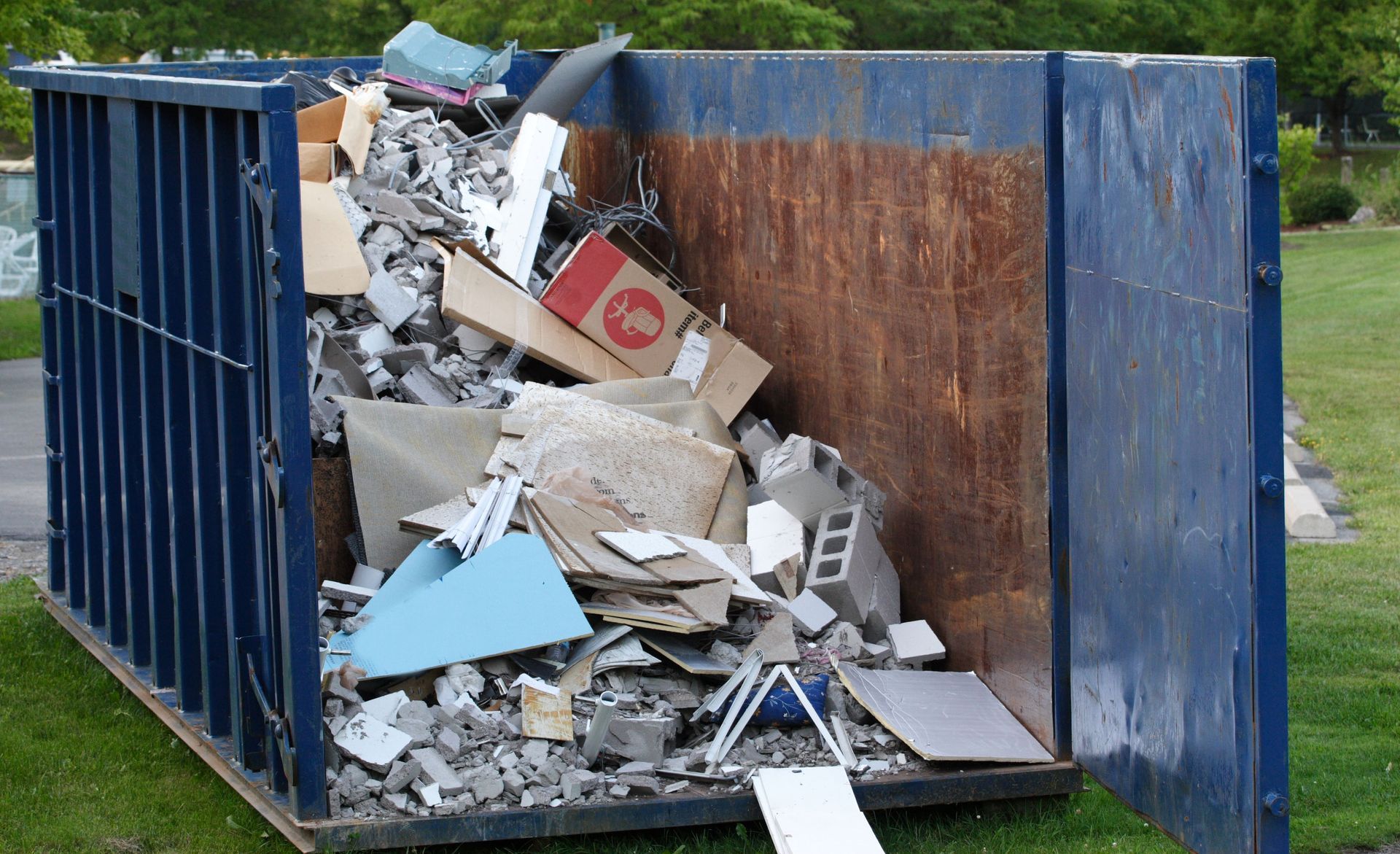
Different construction materials take up space in different ways. Drywall, lumber, insulation, cabinetry, roofing materials, concrete, tile, and fixtures do not pack into a container at the same density. Lightweight materials may fill a dumpster quickly without adding extreme weight, while masonry and concrete can become very heavy even when they occupy less space. Identifying the main debris categories before work begins helps create a more realistic estimate of both volume and disposal requirements.
Material type also affects how the container should be loaded. Long pieces of lumber may need to be broken down, while cabinets, doors, and bulky fixtures can leave empty spaces if they are placed in the container without preparation. Dense materials may also be subject to weight limits even when the container is not full. A provider offering dumpster rentals can explain whether certain materials require a specific container size, separate load, or other handling considerations before the project begins.
Estimating Volume From Measurements
Basic measurements can help turn a visual guess into a more useful estimate. Contractors can measure piles, walls, flooring, roofing sections, or other materials scheduled for removal and convert those dimensions into cubic yards. Since roll-off containers are commonly described by cubic-yard capacity, estimating debris in the same unit makes comparison easier. For rectangular piles, multiplying length by width by height provides cubic feet, which can then be divided by 27 to estimate cubic yards.
This calculation is only a starting point because demolition debris rarely stacks into a perfect rectangular shape. Voids between broken materials, irregular pieces, and bulky items can increase the amount of container space required. Contractors should build in a reasonable margin rather than assuming every cubic yard of debris will fit perfectly. When selecting dumpster rentals, using measured estimates plus extra capacity for irregular loading can reduce the chance of underestimating the project's disposal needs.
Estimating Waste From Common Construction Tasks
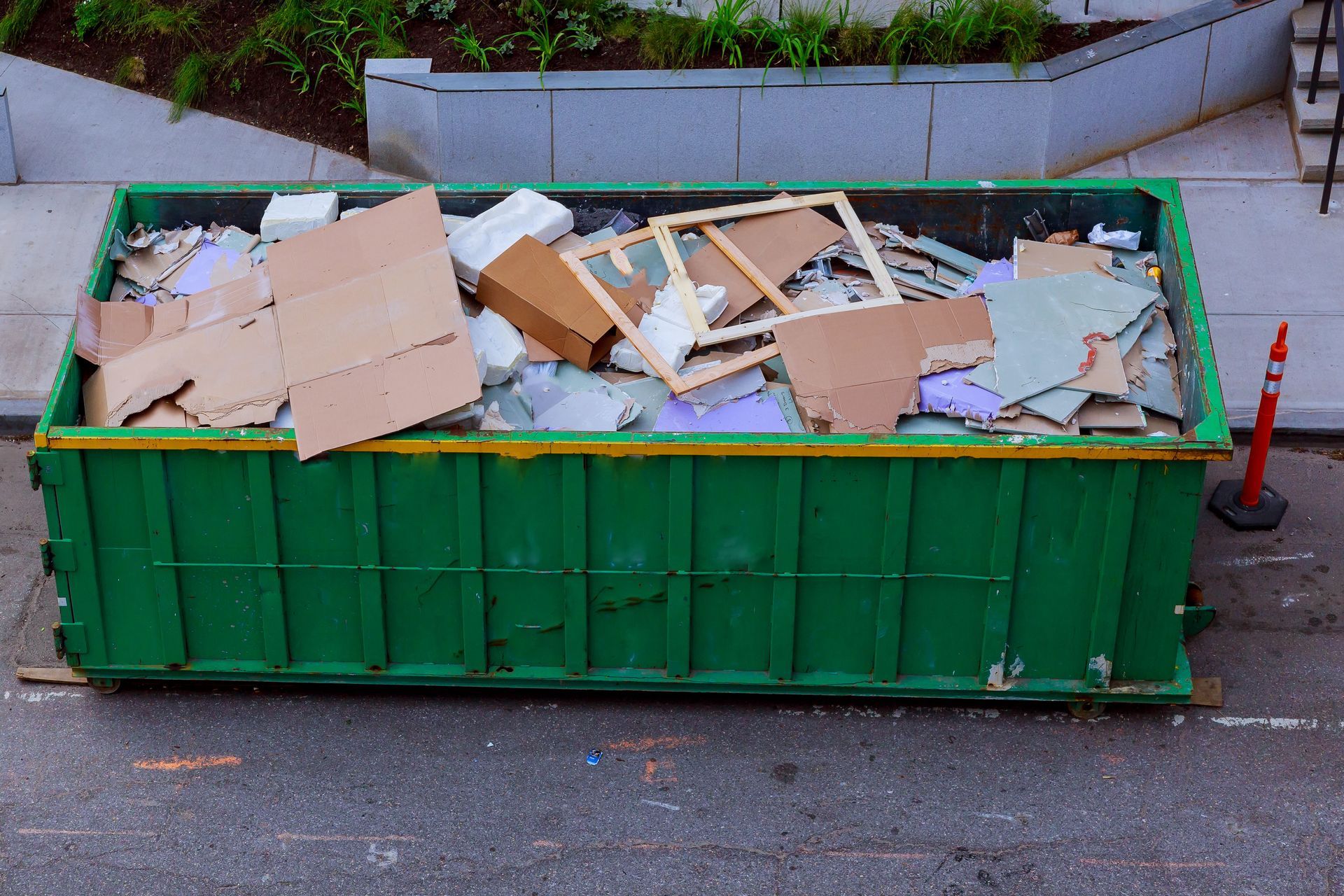
Another way to estimate debris is to break the project into individual tasks and consider the waste each one will create. Roofing work may involve shingles, underlayment, flashing, and packaging. A kitchen remodel can generate cabinets, countertops, flooring, drywall, appliances, and plumbing fixtures. Demolition may produce framing lumber, sheathing, insulation, siding, windows, and doors. Listing these materials separately can help contractors create a more complete picture of the total debris volume.
Breaking the project into phases can also make estimates more accurate. If demolition occurs first, followed by framing, mechanical work, and finishes, the debris stream may change significantly over time. A single large container may work for some projects, while others may benefit from more than one pickup or container exchange. Discussing the sequence of work with a company that provides dumpster rentals can help determine whether one container is likely to be sufficient or whether disposal should be planned in stages.
Estimating Weight Along With Volume
Volume is important, but weight can be just as significant when planning construction debris removal. Heavy materials such as concrete, brick, dirt, roofing shingles, and tile can reach weight limits before a dumpster reaches its full physical capacity. Lighter materials such as wood, insulation, and packaging may fill the container first. Estimating both factors helps prevent a situation in which the container appears to have room remaining but cannot safely accept more material.
According to Fact.MR, the dumpster and roll-off container market is anticipated to grow at a compound annual rate of 6.8% from 2023 through 2033. As the use of roll-off containers continues across construction and cleanup projects, understanding capacity and weight limits remains important for efficient planning. Contractors comparing dumpster rentals should ask about allowable weights, material restrictions, and whether especially dense debris needs to be separated into a different load.
Estimating a Margin for Unexpected Debris
Construction projects often reveal materials that were not visible during the initial estimate. Removing a wall may expose additional framing, insulation, damaged sheathing, or old finishes. Flooring removal may uncover multiple layers beneath the surface. Exterior work can reveal deteriorated decking, siding, or structural components that also need to be discarded. Building a margin into the original debris estimate helps accommodate these surprises without immediately disrupting the cleanup plan.
A modest amount of extra capacity can be useful, but the goal is still to make the estimate as informed as possible. Contractors should review plans, inspect accessible areas, consider the age of the structure, and account for packaging and incidental waste produced during the job. When arranging dumpster rentals, sharing these details with the provider can make it easier to choose a container that gives the project enough flexibility without creating unnecessary excess capacity.
Estimating the Best Container Strategy
Once the expected debris volume, material type, and weight have been considered, the final step is deciding how the waste will be managed during the project. Some jobs can be handled with one roll-off container that remains on site until work is complete. Larger projects may require multiple containers, scheduled swaps, or separate loads for heavy materials. The available placement area, project duration, and pace of demolition can all influence the best approach.
Planning the container strategy before construction begins can help keep waste from becoming a bottleneck. Contractors should think about how quickly the dumpster may fill, when major demolition phases are scheduled, and whether space is available for more than one container if needed. Working with an experienced provider can also help clarify delivery timing, pickup procedures, and size options so the waste plan fits the overall construction schedule.
Estimating debris volume is an important part of construction planning because waste removal can affect cost, scheduling, site organization, and overall efficiency. Contractors can create a more accurate estimate by defining the project scope, identifying material types, measuring expected debris, breaking work into phases, considering weight limits, and allowing for unexpected waste. The goal is not to predict every piece of debris perfectly but to develop a realistic plan that reduces unnecessary container changes and keeps cleanup moving alongside the construction work. Choosing appropriately sized dumpster rentals can make the disposal process more predictable and help prevent waste from interfering with other tasks on the job site. To discuss container sizes and plan debris removal for your upcoming project, contact Bulldog Roll-Off Dumpsters, LLC.

Share On: