
How to Manage Waste During a Commercial Property Turnover
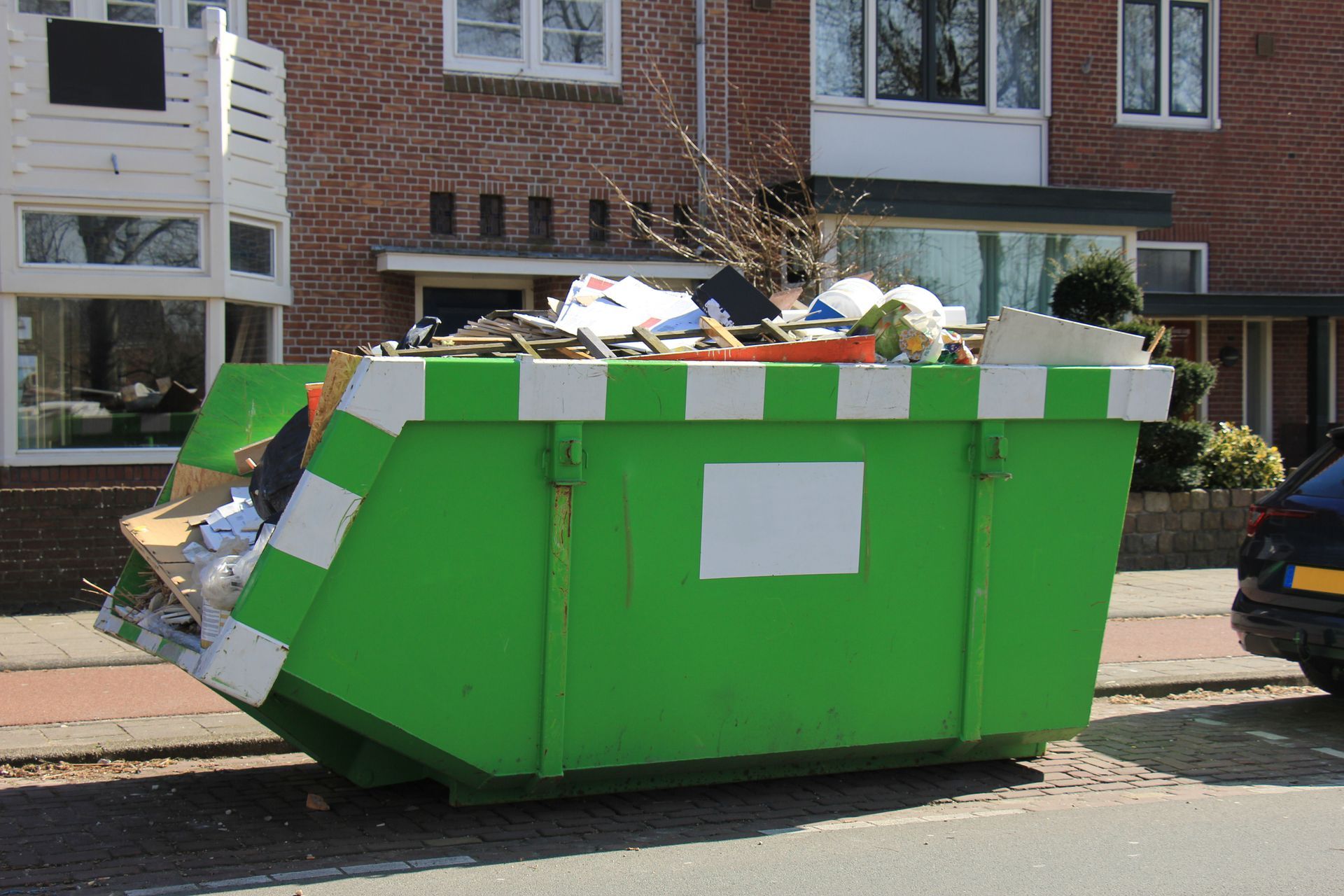
Preparing a commercial property for a new tenant involves more than updating lease documents and arranging inspections. Property managers may need to remove abandoned furniture, dispose of damaged fixtures, clear construction debris, and prepare the space for its next occupant. Without an organized waste management plan, these tasks can delay maintenance work and interfere with move-in schedules. A dumpster rental provides a convenient way to collect approved waste in one accessible location, helping managers coordinate cleanup efficiently.
Commercial turnovers vary depending on the property's size, condition, and intended use. An office may require removing desks and partitions, while a retail space might need outdated shelving, displays, and flooring removed. Planning waste removal early helps property managers coordinate contractors and meet occupancy deadlines.
Assess the Property Before Beginning Cleanup
The first step in managing turnover waste is determining what needs to be removed. Walking through the property allows managers to identify discarded items, damaged materials, and areas requiring repairs. This assessment also helps establish a realistic cleanup schedule.
Identify Items for Removal
Inspect each room, storage area, hallway, and shared space to determine which items should be discarded. Common materials include broken office furniture, outdated shelving, damaged carpeting, ceiling tiles, packaging, and miscellaneous debris left behind by previous occupants.
Not everything needs to be thrown away. Some furniture, fixtures, and building materials may be suitable for donation, resale, or reuse. Separating these items before demolition or disposal can reduce waste and help property owners recover value.
Evaluate Potential Disposal Restrictions
Electronics, fluorescent lamps, batteries, chemicals, and certain appliances may require specialized disposal rather than placement in standard roll-off dumpsters. Older commercial properties can also contain materials requiring professional assessment. Identify these items before cleanup begins and arrange appropriate services when necessary.
Confirming disposal requirements helps prevent rejected loads, unexpected fees, and interruptions to the cleanup schedule. It also gives contractors clear instructions about which materials can enter the container.
Choose the Right Waste Collection Strategy
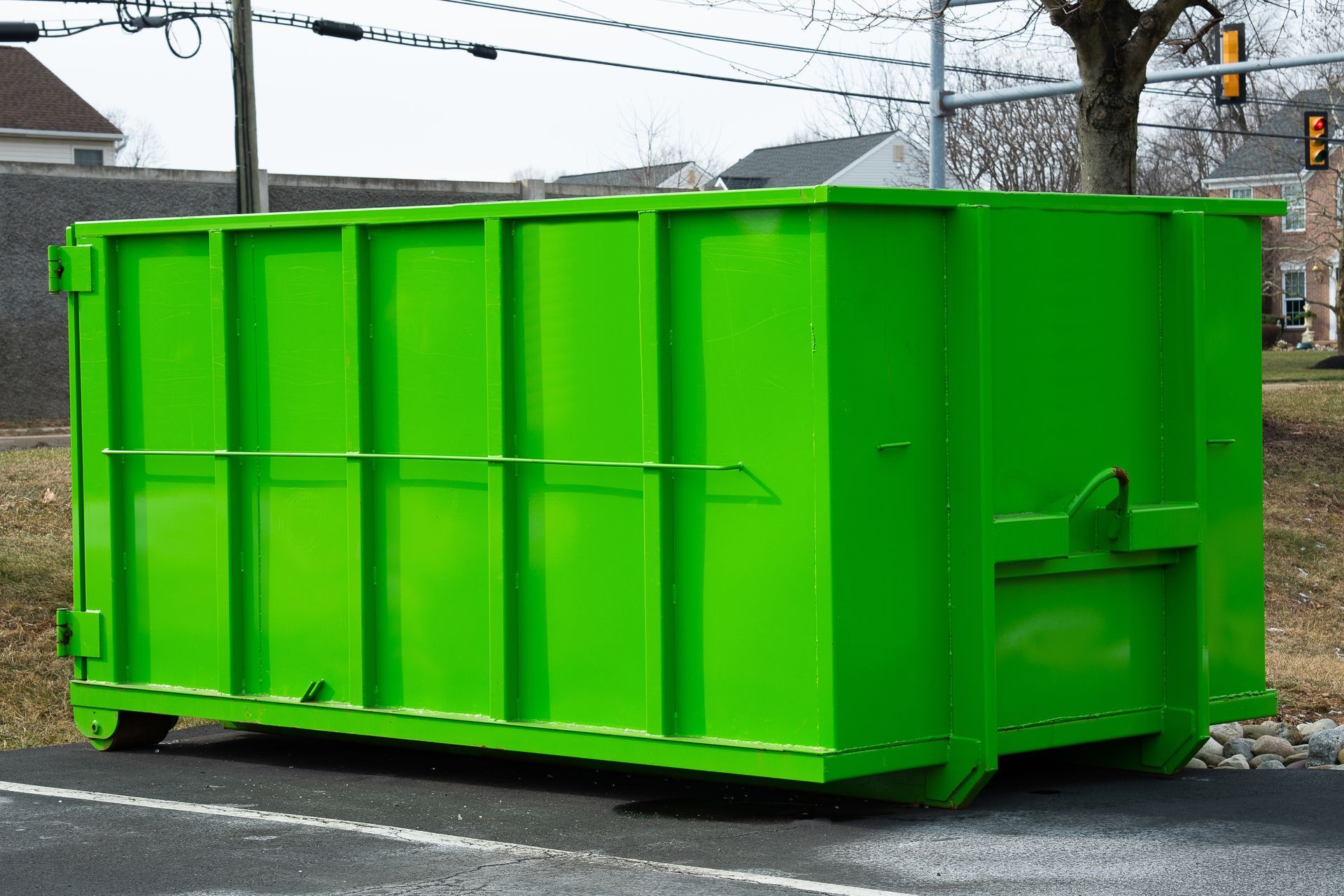
Once the cleanup scope is clear, property managers can determine how waste will be collected and removed. The best approach depends on debris volume, material types, available space, and the deadline for preparing the property. A dumpster rental can simplify collection by providing a central location for approved materials throughout the turnover.
Estimate the Amount of Debris
Consider how much waste the turnover will generate. A small office with a few abandoned desks may produce relatively little debris, while a retail renovation could involve shelving, flooring, and building materials. Estimating the volume helps prevent additional disposal arrangements midway through the project.
Weight matters, too. Concrete, masonry, and roofing materials can become heavy quickly, even when they occupy little space. Ask about container capacity, weight allowances, and accepted materials before arranging service. A properly sized dumpster rental can accommodate anticipated waste while helping prevent loading and transportation problems.
Coordinate Waste Collection With Contractors
Commercial turnovers often involve several trades working on overlapping schedules. Cleaning crews, electricians, flooring installers, painters, and demolition contractors may generate waste at different stages. Discussing collection needs with each contractor helps establish when debris will accumulate.
According to Waste Dive, local dumpster rental companies serve more than 70% of small to mid-sized construction and renovation projects nationwide. This highlights the important role local providers play in supporting renovation work. Coordinating with a provider before cleanup starts can help managers plan delivery and removal around project demands.
Organize the Work Area for Efficient Disposal
A designated waste collection area helps keep cleanup activities organized. When debris is scattered throughout a building or piled in active work zones, it can obstruct walkways, slow down contractors, and increase workplace hazards. Clear procedures for collecting and moving waste improve productivity and safety.
Select an Accessible Placement Area
Choose a location that allows workers to dispose of debris without interfering with deliveries, customer access, or construction equipment. Consider truck access, overhead obstructions, nearby structures, traffic patterns, and the condition of the supporting surface.
Properties with limited parking or shared access roads may require additional coordination. Determine whether temporary parking restrictions or property approvals are necessary before delivery. If the container must occupy a public street, verify applicable permit requirements.
Establish Clear Loading Procedures
Give workers straightforward instructions about where debris belongs and how to load the container. Materials should be distributed evenly, and the load must remain below the fill line. Prohibited materials should never be placed inside the dumpster.
Keep hallways, exits, stairwells, and emergency access routes clear throughout the turnover. Regularly removing waste from work areas helps contractors complete their tasks without unnecessary interference.
Coordinate Cleanup With the Turnover Schedule
Timing is especially important when a commercial property must be ready for a new tenant by a specific date. Delays in waste removal can prevent cleaning crews from accessing rooms, hold up repairs, or interfere with final inspections. Include disposal arrangements in the overall turnover schedule from the beginning.
Schedule Removal Around Major Work Phases
Identify when the largest amounts of debris will be generated. Demolition and fixture removal may create substantial waste early in the project, while packaging and leftover materials may accumulate closer to completion. Scheduling collection around these phases helps prevent the container from filling too soon.
For projects lasting several weeks, discuss whether a container exchange or additional pickup may be necessary. Confirm provider availability and communicate schedule changes promptly, especially when multiple contractors share the property.
Planning a dumpster rental around these milestones helps ensure that contractors have enough space to dispose of debris without disrupting other work. Confirming pickup dates in advance also helps property managers avoid unnecessary delays as the turnover approaches completion.
Allow Time for Final Cleaning and Inspection
Complete waste removal early enough to leave time for detailed cleaning and a final walkthrough. Once large debris is gone, cleaning crews can focus on floors, windows, fixtures, and other surfaces without navigating around discarded materials. Property managers can then check for damage, unfinished repairs, and remaining items.
Building a reasonable buffer into the schedule also helps accommodate unexpected discoveries, such as concealed damage or additional materials left behind.
Control Costs and Reduce Unnecessary Waste
Commercial turnover budgets can become difficult to manage when disposal needs are underestimated or materials are handled inefficiently. A thoughtful waste management strategy helps property owners control expenses while making responsible decisions about unwanted items.
Separate Reusable and Recyclable Materials
Determine whether materials can be reused or recycled before placing everything in one dumpster rental. Metal shelving, cardboard, certain plastics, and suitable building materials may qualify for recovery through local programs. Recycling appropriate materials can reduce landfill waste and support more sustainable property management.
Identify collection areas, explain requirements to contractors, and confirm which materials local facilities accept. Keep hazardous or restricted materials separate and arrange proper handling.
Prevent Avoidable Disposal Expenses
Review service terms before delivery. Ask about rental periods, weight limits, accepted materials, overage charges, and pickup procedures. Understanding these details helps managers estimate costs and avoid fees associated with prohibited items or overloaded containers.
Managers should also identify assets that can be transferred to another location or used in future projects. Combining careful material assessment with an appropriately sized container makes cleanup more predictable.
Prepare the Property for Its Next Occupant
Successful commercial property turnover requires coordination between property managers, contractors, cleaning teams, and waste removal providers. Assessing materials early, selecting suitable disposal methods, organizing the work area, and aligning pickups with the project schedule can reduce disruptions and prepare spaces for their next use.
Every property presents different challenges, so waste management plans should reflect the building's condition, access limitations, and cleanup requirements. Clear communication and realistic scheduling help prevent disposal problems from becoming larger project delays.
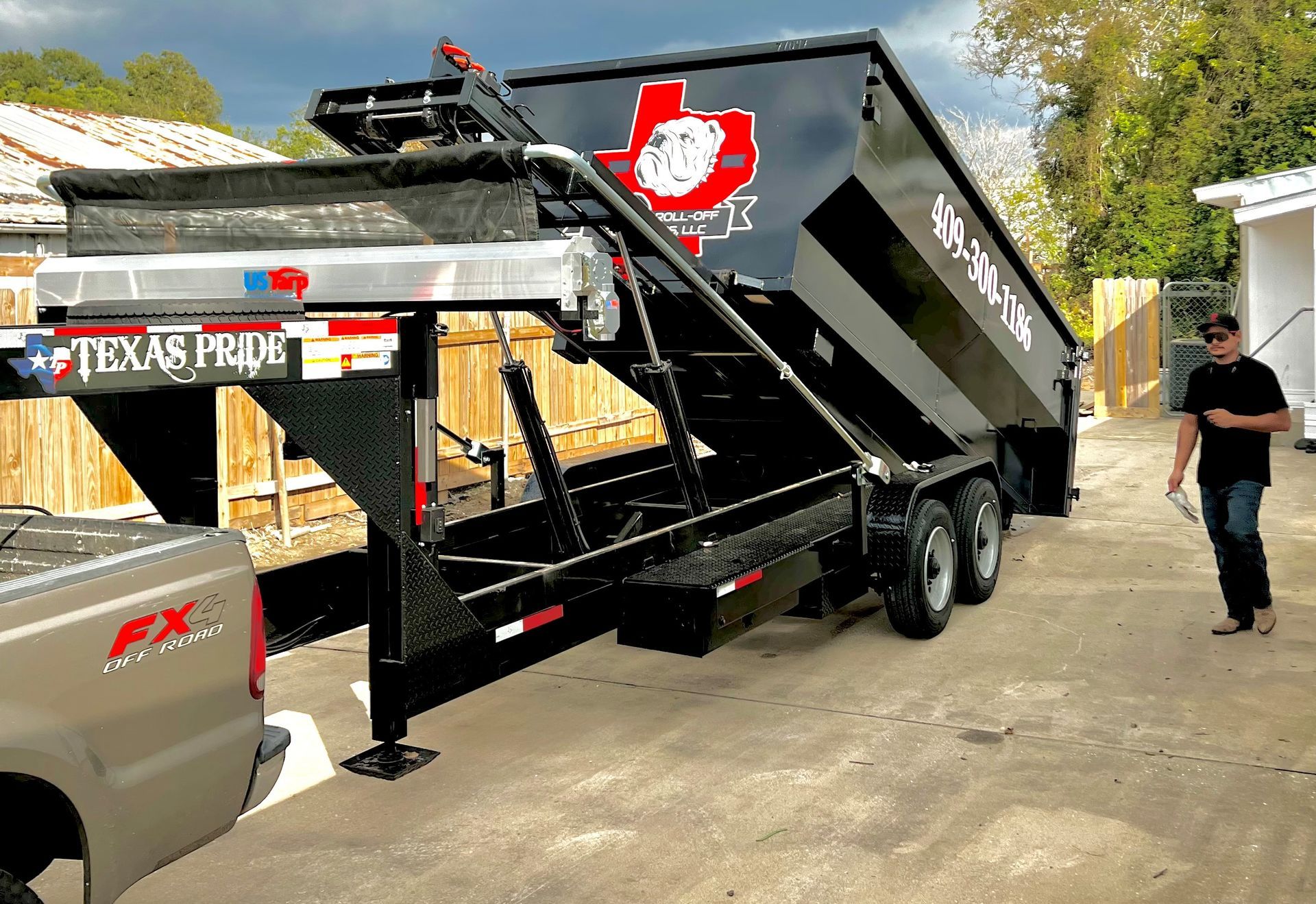
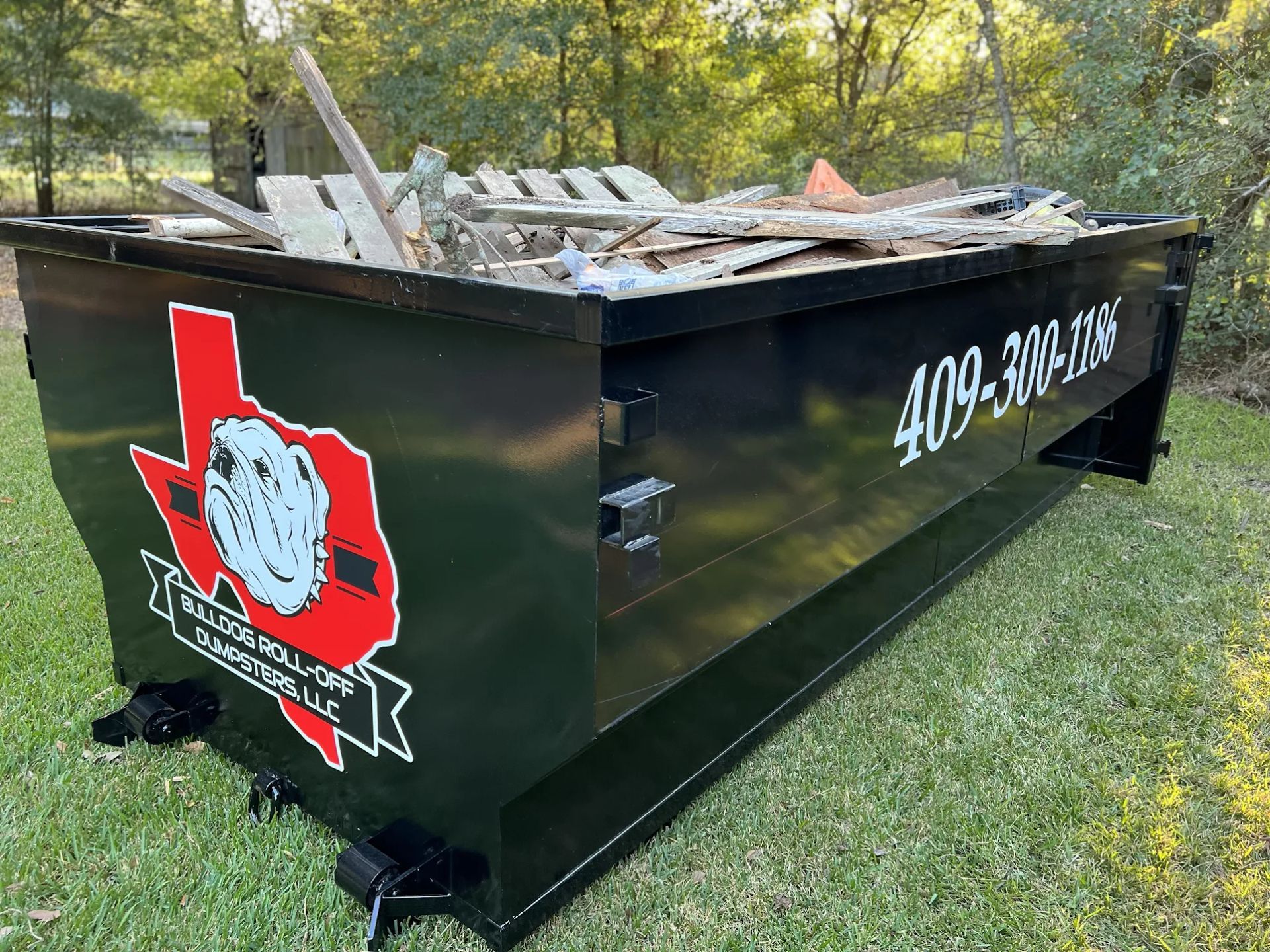
When planning an upcoming commercial cleanout or renovation, Bulldog Roll-Off Dumpsters, LLC can help you arrange roll-off dumpster rental for your waste removal needs. Contact the team to discuss your project, confirm accepted materials, and determine a suitable container for preparing your commercial property for its next occupant.


Share On: